Search This Blog

Sunday, August 14, 2022

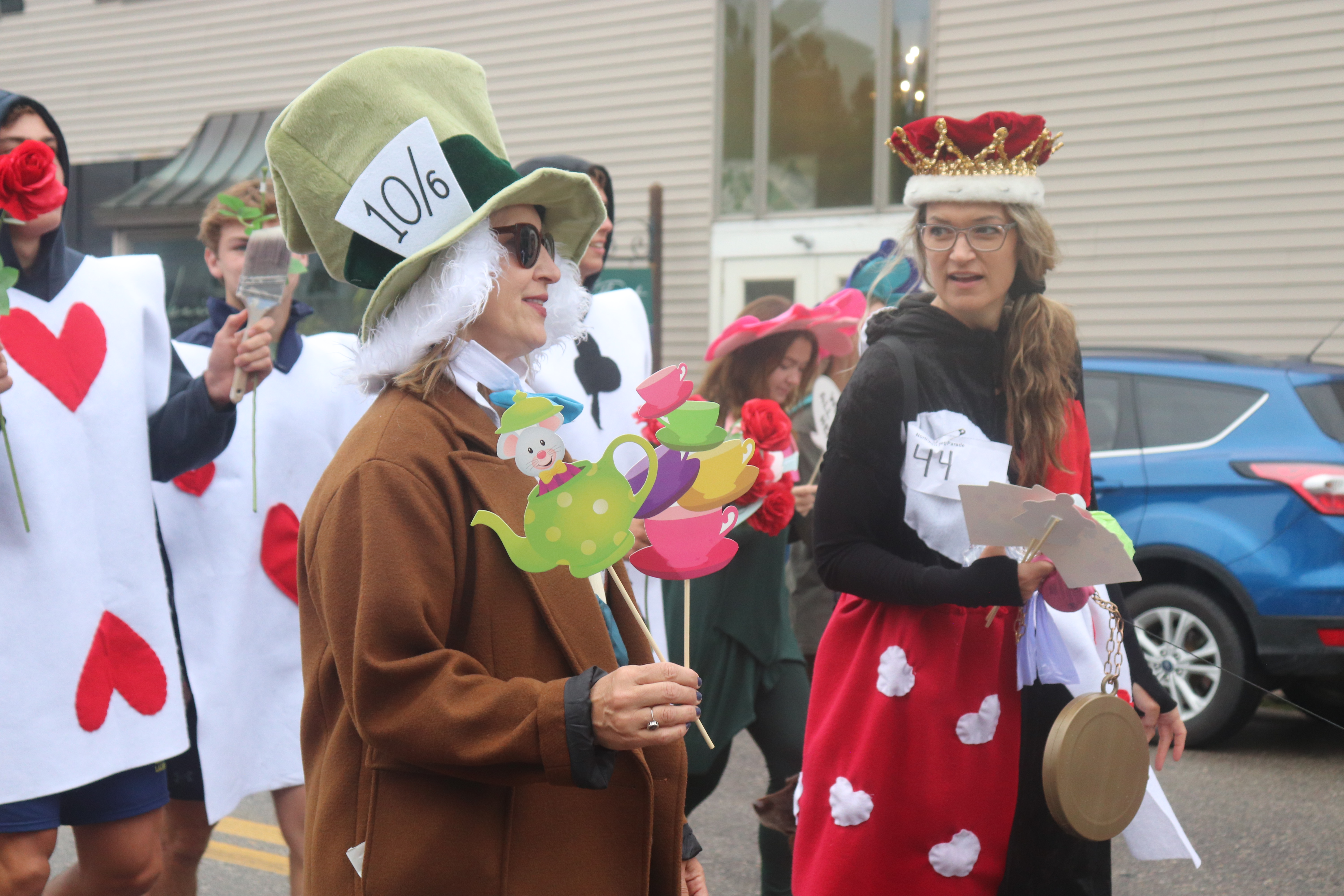
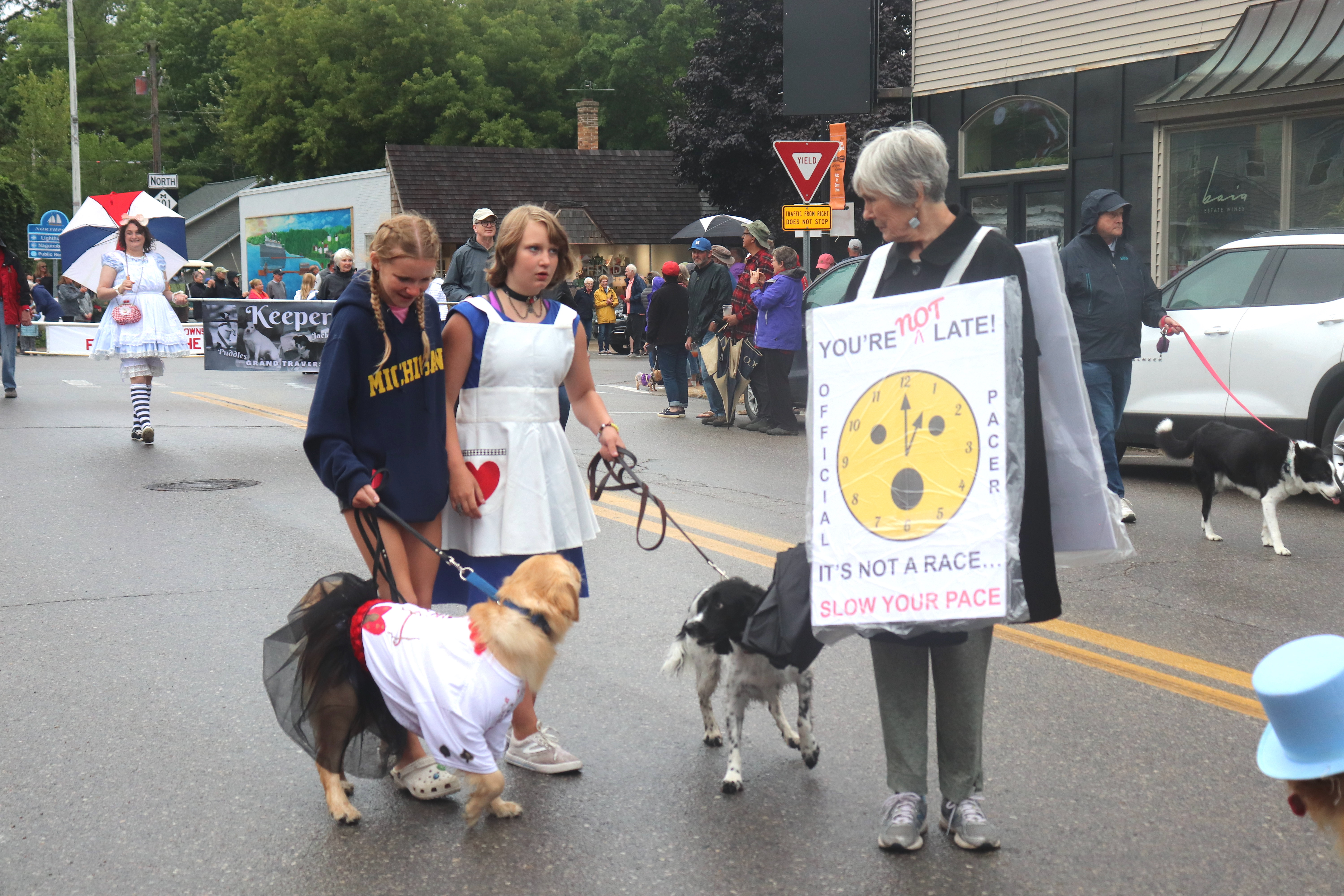
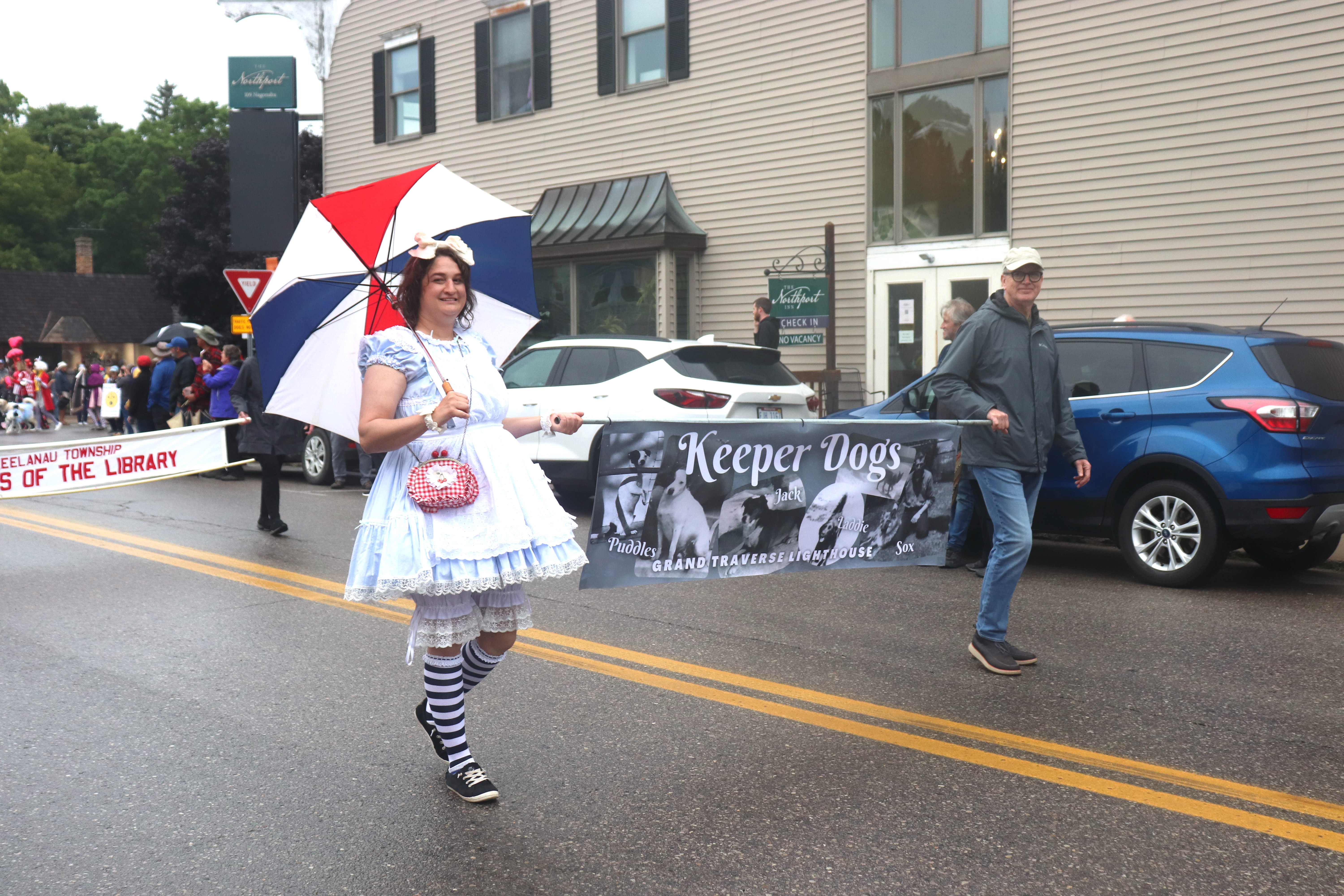
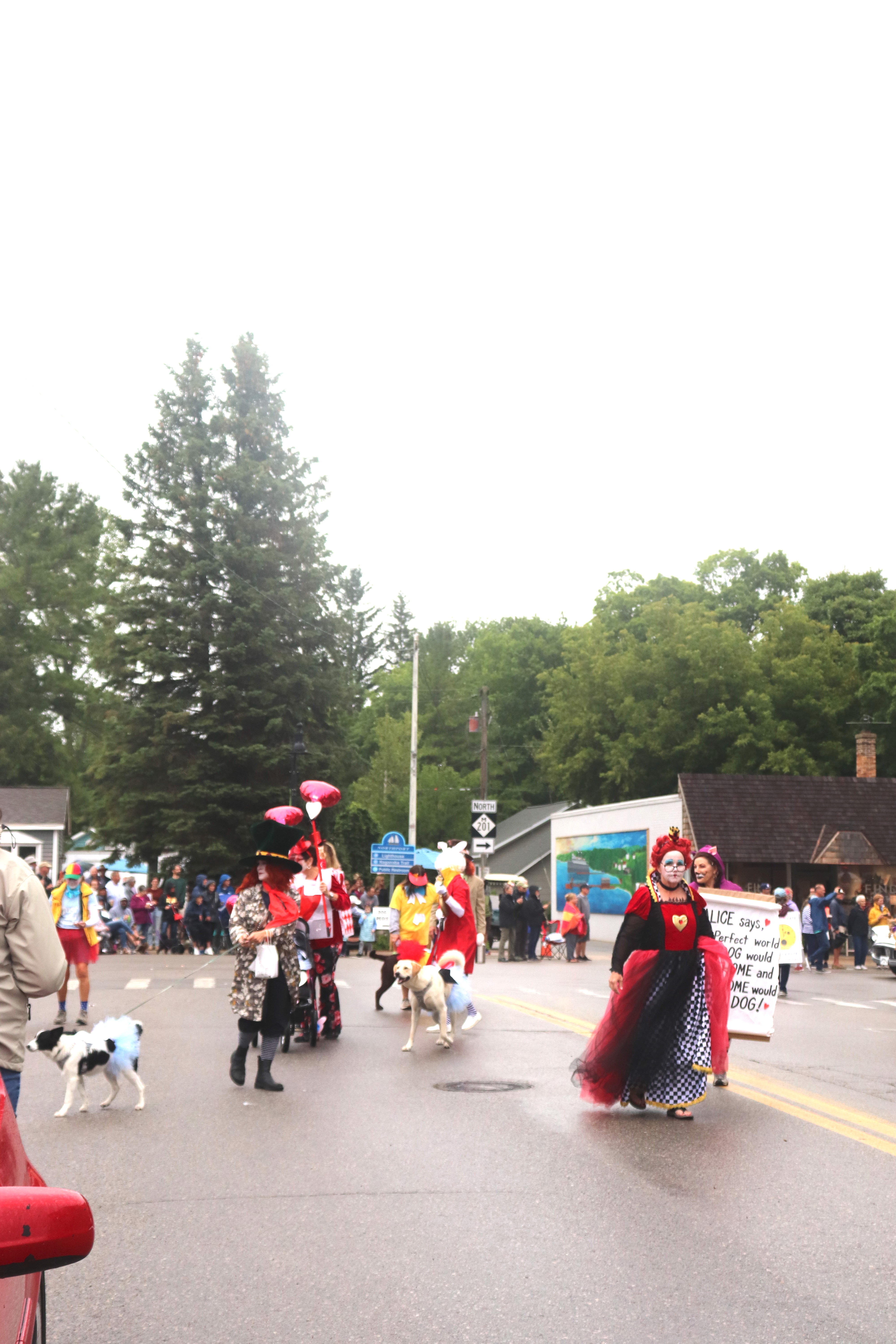
Ready or Not -- Here Come the DOGS!!!


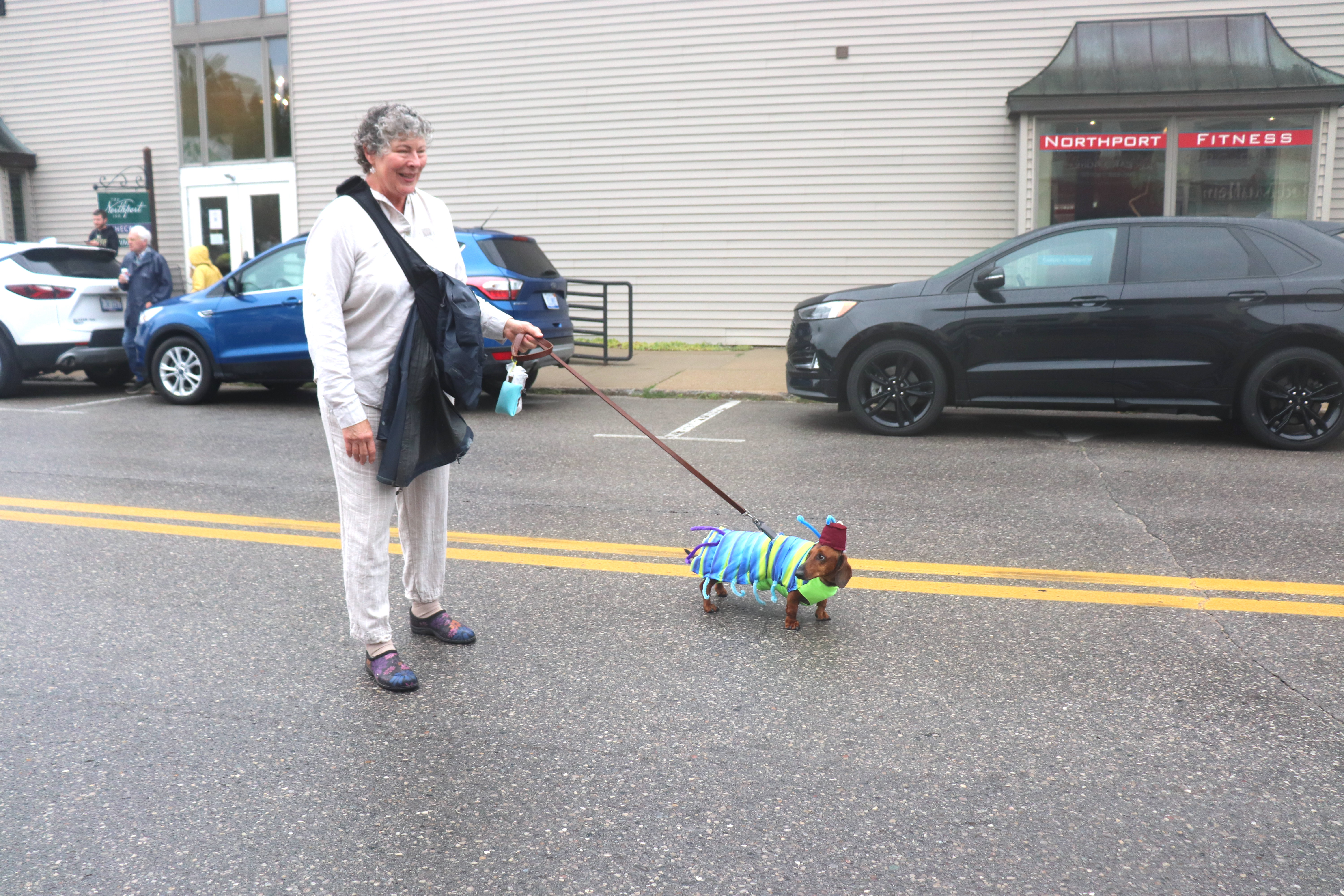
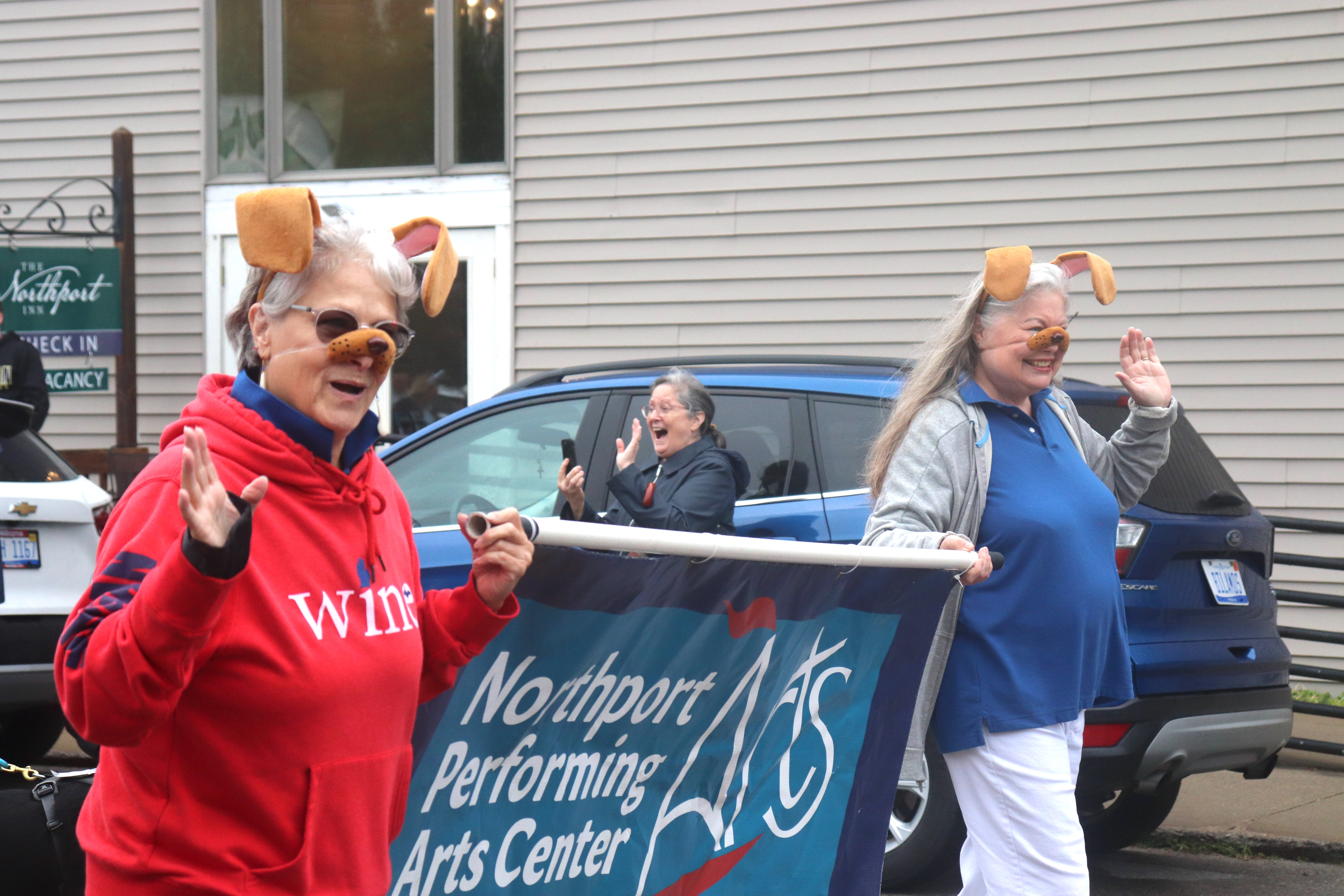
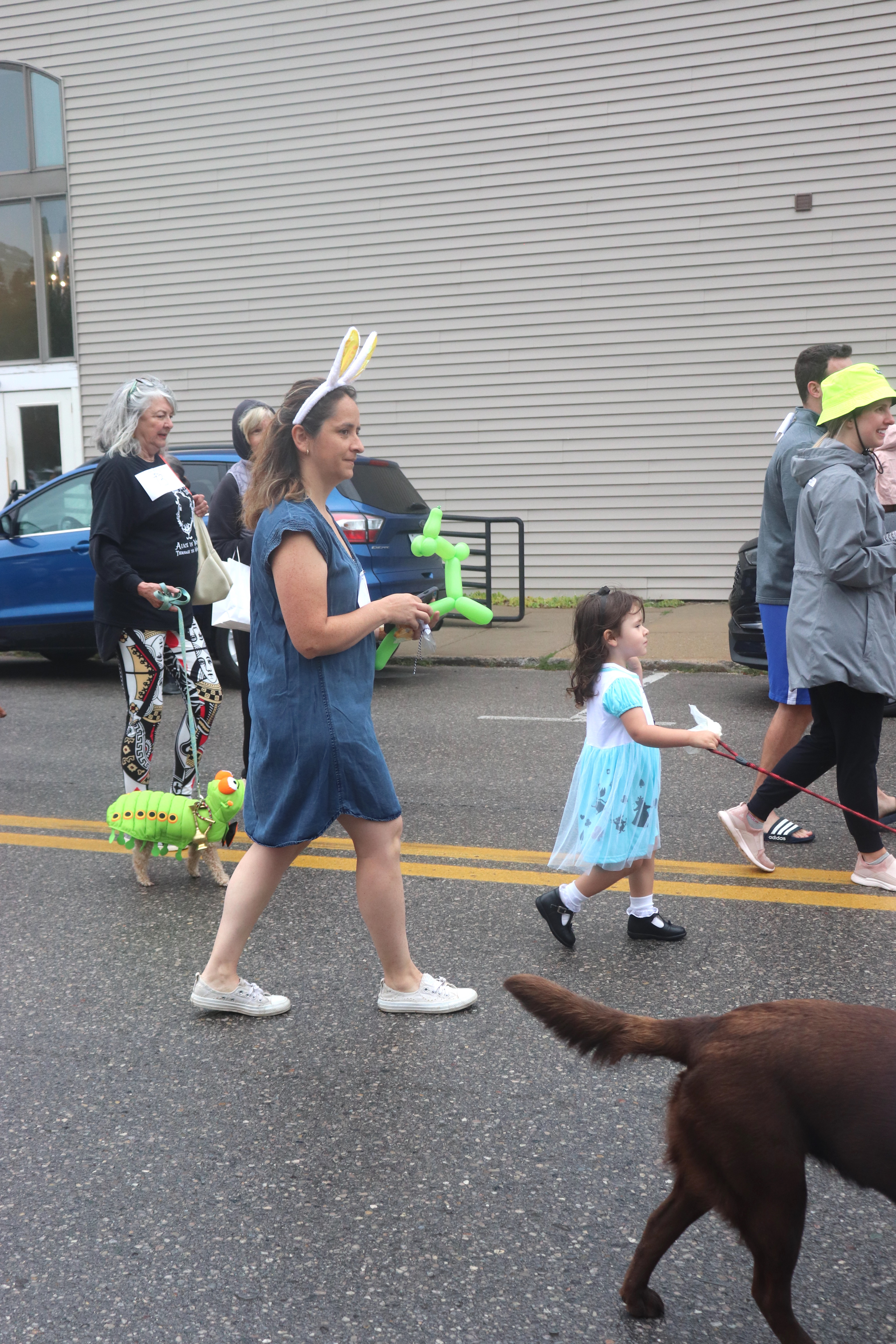
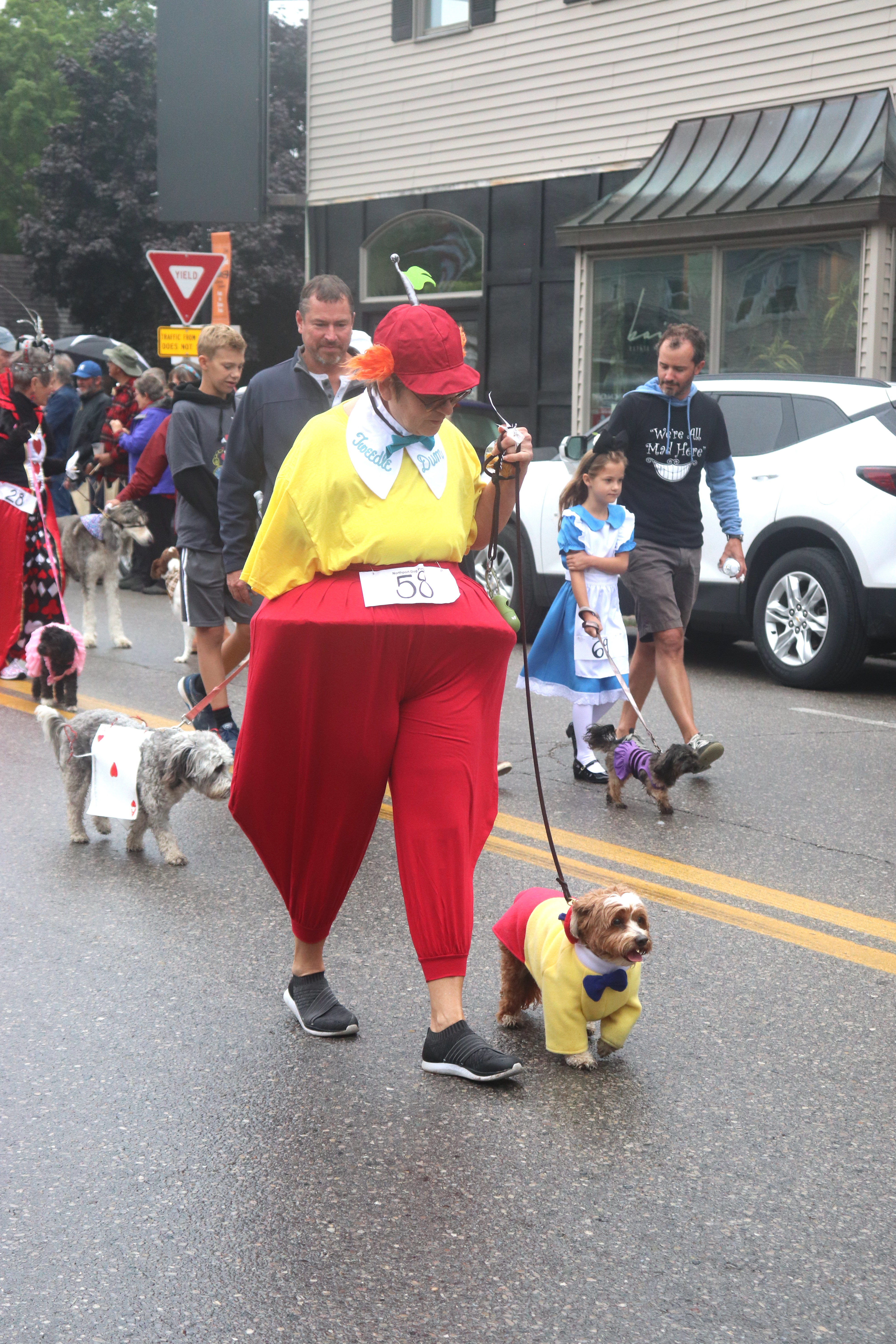
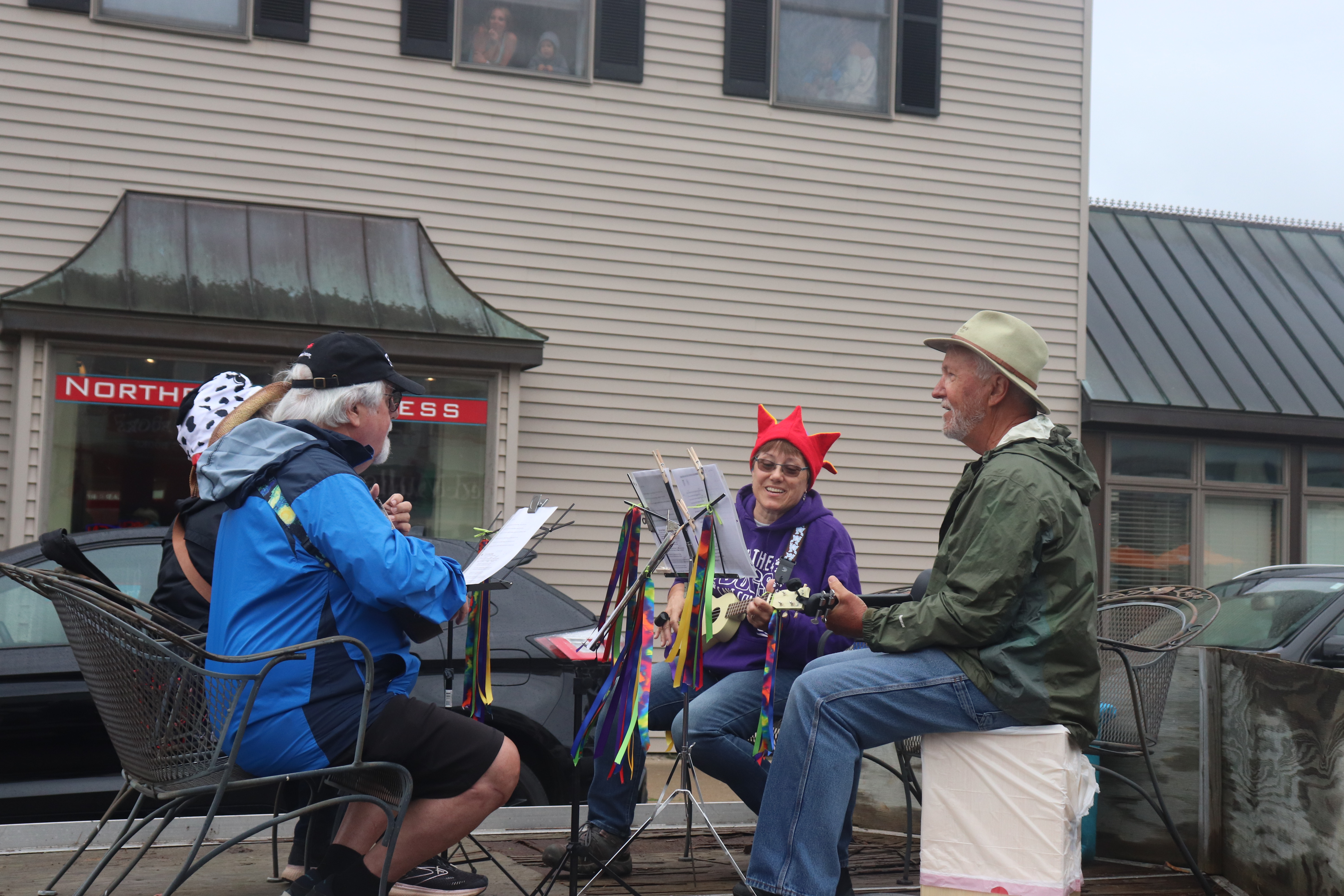
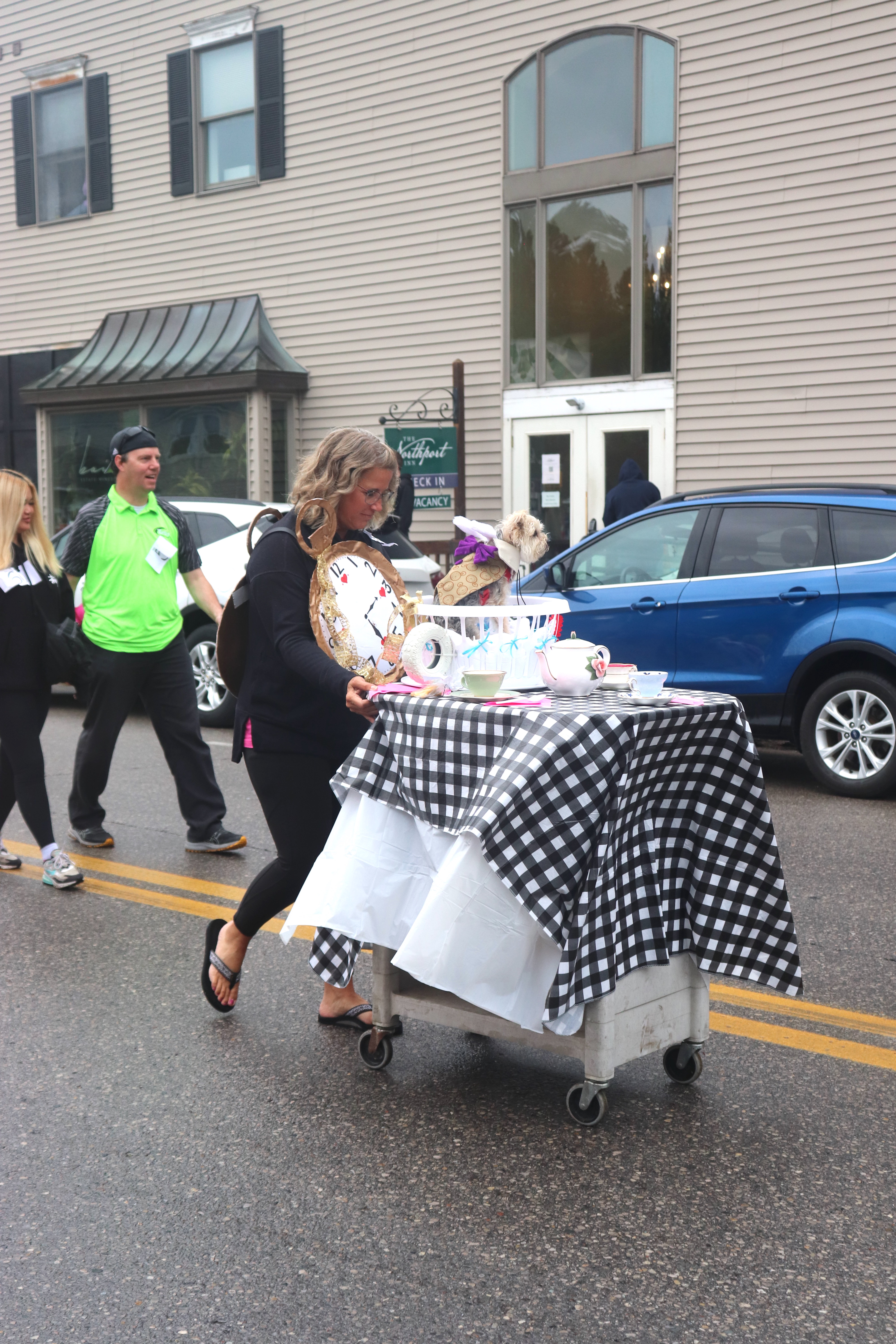
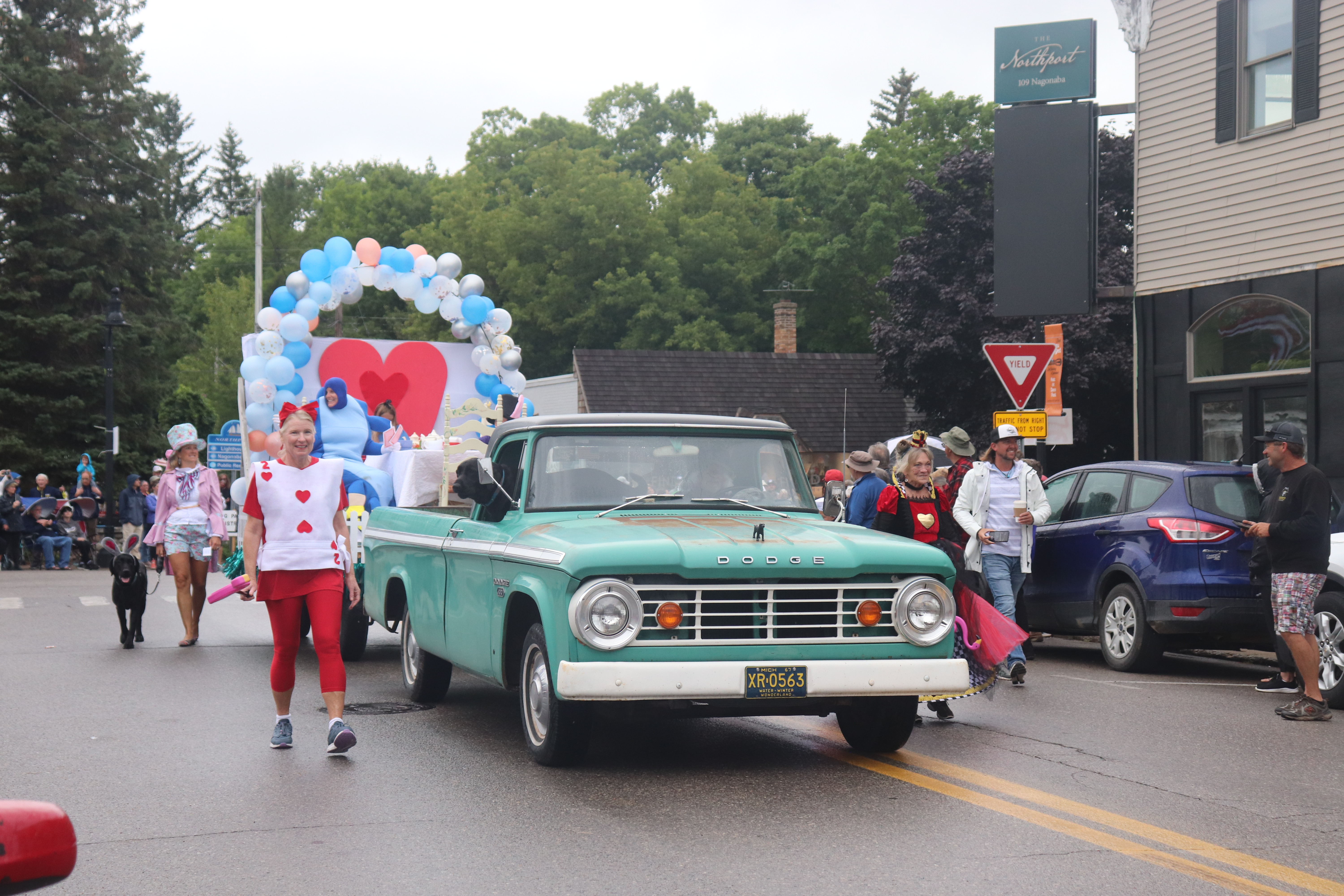
Every year, the dog parade is the best ever. This year I have to say it was MORE -- more vehicles, more floats, more music, more elaborate costumes. Maybe more dogs, but I haven't heard the count yet.


-- And then my camera gave my that awful message CARD FULL, so I didn't get the last few entries in the parade.... But there is always next year!

Wednesday, August 10, 2022

I am cheating today --


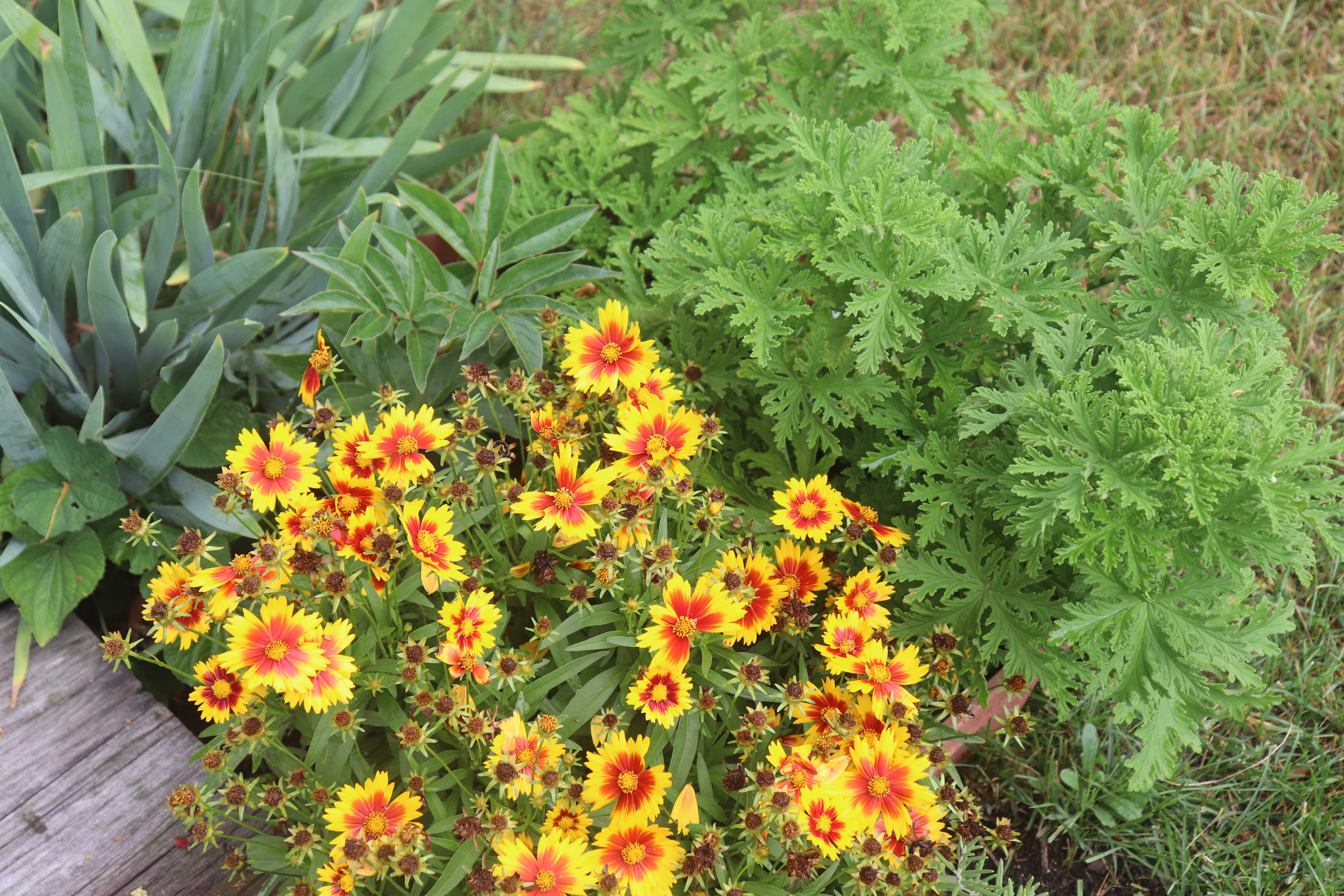
Annuals and perennials complement one another.


First out of the chute, if you haven’t already read my most recent post, about Sarah Shoemaker's upcoming book launch, please do so now! September 6 will be an exciting evening, I promise!


My New Way of Dealing with My New Life


This summer I have been working on what I call the Scarlett O’Hara principle. Funny, because years ago an Aries horoscope named Scarlett O’Hara as a “typical” Aries, and I thought, “Oh, no!” I did not want to think of myself as spoiled, vain, and selfish! What I’m calling the Scarlett O’Hara principle, though, has nothing to do with becoming any of those things. I take the principle from her line, “Oh, I can’t think about this now! I’ll go crazy if I do. I’ll think about it tomorrow.” I’ve been doing this with almost everything I don’t need to act on immediately. 


Can’t find something? Stop looking. Think about it tomorrow. More to do than time in which to do it? Do what I can today and think about the next thing tomorrow. 


Because I can’t do everything at once, anyway, so why worry about everything at once? And I must say, this approach – new to me -- has served me well so far this summer.


The Dog!

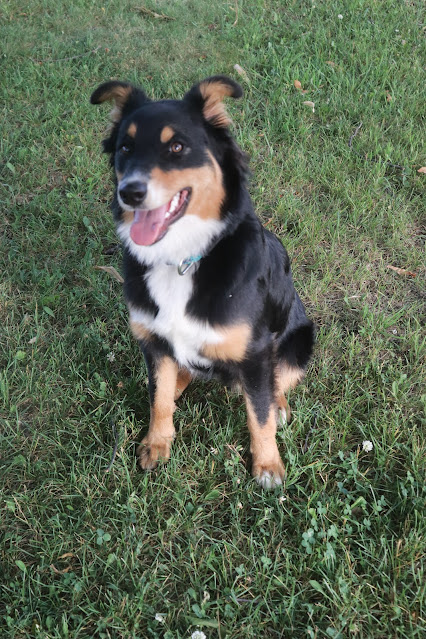
Patiently waiting....


Sunny continues to be challenging. The instructor at puppy class (two classes to go) recognizes SJ’s high energy level and suggested I “have a talk with [my] vet” (by which I think she was hinting about doggie downers), but we are making progress, and at home my little girl is better and better all the time. Her big hurdle is learning to deal with distractions, because she gets SO excited and overstimulated in the presence of OTHER PEOPLE and OTHER DOGS!!! Not reactive, just overstimulated. But she’s my girl.


“Cheating”?


My subject heading today refers to the fact that I wrote a long e-mail to a friend about what I’m reading these days and then, after going on and on about the books, told her I would probably use it in a blog post, and so here it is, amplified even beyond the e-mail but definitely springing from and using portions of that message. 


What I’m reading these days:


      At the porch table: BITING THE DUST: THE WILD RIDE AND DARK ROMANCE OF THE RODEO COWBOY AND THE AMERICAN WEST, by Dirk Johnson. Very good! The writing is excellent, and the history, mythology, and reality of the West come through loud and clear, as well as clearly distinguished, as we are introduced to various rodeo cowboys and follow them around the punishing, often lonely and rarely remunerative rodeo circuit. 


      At the other end of the porch: PROGRESS AND POVERTY, by Henry George, a 19th-century bestseller (outsold in its time only by the Bible) that, sadly, changed no government policies in England, the U.S., or anywhere else, as far as I know. Beautifully written, too. I am happy to say that one other friend of mine is also reading it, which is a miracle, as it’s hard to get many people excited about reading economics. After following all the author’s arguments, I have arrived at the payoff, his solution, the one it seems no one wanted to put in place, despite the popularity of his book.


      In the bathroom (doesn’t everyone?): IN PRAISE OF FOLLY, by Erasmus. I’d take Erasmus over Martin Luther, his rival in religion, any day, but the style of this book hasn’t set me on fire. Dante was easier to grasp. The humor is eluding me, but I soldier on – in small bites.


      In the bedroom: AWAKENING FROM HISTORY, by 20th-century journalist Edmond Taylor, an autobiography/memoir that takes its title from a line in James Joyce’s ULYSSES, Stephen Dedalus saying to Mr. Deasy when he, Stephen, goes to Deasy’s office to collect his teacher’s pay, “History is a nightmare from which I am trying to awake.” Taylor was in high school in St. Louis, MO, during the First World War and after college started into journalism on the ground floor (more like the basement) until he was working as a foreign correspondent and seeing firsthand what was going down in Europe in the late 1930s. Painful parallels to our world today, but I doubt many people would want to read this book, as the sentences are long and convoluted. It’s hard to reconcile journalistic writing, in fact, with the author’s style in this book, but the book is the story of his intellectual and moral growth over the course of his life and career, so while facts are important, the real story is in how he saw certain facts at one time and how he later saw them, i.e., what he learned and when and how he learned it.


      At the bookstore: GUNFIGHT: MY BATTLE AGAINST THE INDUSTRY THAT RADICALIZED AMERICA, by Ryan Busse. This is a book I would dearly love to have every American read, whichever side of the gun debate they’re on, but I know many don’t want to read about guns or politics, and this is about both. But it is very, very readable and unfolds like the drama it is in real life. The author grew up with guns, hunting with his father and grandfather, but the family was very safety-conscious, his grandfather’s best friend and the friend’s father having been killed (intentionally, though, not accidentally) by neighbor with a gun. To Busse, guns meant family and bonding and good times together. The NRA in those days, he says, was all about family, too, as well as promoting gun safety, so he went to work in the gun industry, and while it wasn’t quite what he expected, for a while it was okay. Then the NRA, he says, took a turn toward the dark side. People think the NRA is in thrall to the gun industry, he says, but in truth it’s the other way around: everyone in the gun industry has to kow-tow to the NRA or be squashed like bugs. This book is the story of one man’s awakening political conscience, his loss of naïveté, as well as the story of the NRA taking America hostage, building a political machine on a base of fear and hate. But as I say, imminently readable. The steps in Busse’s personal career, as well as national events are vividly recounted, so that the book reads like a page-turning thriller.


Turtlehead opening its blossoms


Books Read Since Last Listed:


78. Steinberg, Michael, ed. Peninsula: Essays and Memoirs fromMichigan (nonfiction)

79. Alexander, Elizabeth. The Light of the World: A Memoir (nonfiction)

80. Vonnegut, Kurt. Armageddon in Retrospect

81. Emerson, Elizabeth. Letters from Red Farm: The Untold Story of the Friendship between Helen Keller and journalist Joseph Edgar Chamberlin (nonfiction)

82. Jones, R.S. Force of Gravity (fiction)

83. Gibbings, Roberty. Coming Down the Seine (nonfiction)

84. Shoemaker, Sarah. Children of the Catastrophe (fiction – ARC)


Saturday, August 6, 2022

Shoemaker Book Launch in Northport Next Month


Sarah Shoemaker of Northport, Michigan, author of the critically acclaimed Mr. Rochester, has a new novel coming out this fall. Children of the Catastrophe, set in the city of Smyrna in the early 20th century, is, as the author herself describes it, a story of family, love and loss, crisis and survival. The book’s release date is September 6, the day after Labor Day, and Shoemaker will be at the Leelanau Township Library that evening to meet and greet the public. Dog Ears Books will be on hand, as well, to sell books to those wishing to purchase, which the author will be happy to sign. 


In her new work of historical fiction, Shoemaker goes behind the bare facts to imagine two families over the course of years leading up to a tragic real event in history. Early in the novel a marriage is arranged within Smyrna’s Greek community. The bride is one of four sisters, the groom an only child. Parents of the two (especially the mothers) have traditional concerns about qualities they wish to see in a partner for their respective children, but happily for the bride and groom in this case, they are attracted to one another from the start, and soon a new generation of Greeks is growing up in a happy home in Smyrna, little suspecting that their world is about to be utterly destroyed. 


There are, Shoemaker said in a recent interview, 27 million refugees in the world today, and every one of those people represents “a family, a community, a way of life that is forever lost to them.” In large world events – every catastrophe, especially – it is easy to lose sight of particular individuals and families. Yet every war, every famine, every horrendous headline event changes the world forever for people who were up until then, most of them, living very ordinary lives. 


What must it be like to have almost everything and then suddenly to lose it all? How does this affect families, and what differences are there in the responses of different family members? Different generations? These are questions Shoemaker sought answers for in her novel.  


Shoemaker has lived in Greece and also for two years in Izmir, Turkey, the present seaport city on the former site of Smyrna. She knew the history and heard the personal story of one survivor whose entire family was lost in the Great Fire (1922), also known to Greeks as the Catastrophe. So, all in all, she felt this was a story she could write. 


“Every time I see pictures from Ukraine,” Shoemaker said to her interviewer, “our most recent world events that impact people’s lives – seriously -- I see those people now, having written this book, differently, because I see them as individuals who’ve had lives.” She observes that it’s easy to lose sight of individual lives when we see masses of refugees in events not happening to us. But – “This could be us sometime. Or this could be somebody I care about sometime.” What tragic events do to real people’s real lives is what Shoemaker wants readers to take away from her novel. And in this aim, she succeeds brilliantly. 


As a reader, one comes to live inside the story, to live inside houses inhabited by people one comes to know. One hundred years later in time and far distant in space, while reading we inhabit the world of early 20th-century Greek Smyrna and feel connected to the characters’ hopes and dreams, sympathetic to their problems, concerned for their lives. In the end, we realize that their tragedy is our tragedy, in that it is a human tragedy, and we are all human beings, despite our differences.


-- Can you tell I am excited about this book? It is going to be an excellent choice for book clubs, too! 


Tuesday, September 6, 7:30 p.m., Leelanau Township Library, Northport, MI: Sarah Shoemaker and Children of the Catastrophe


P.S. You can hear the complete interview with Sarah Shoemaker on the Library Love Fest podcast from Harper Collins, publisher of Children of the Catastrophe. Sarah Nelson, vice president and executive editor of Harper Collins, introduces and interviews Sarah Shoemaker in the podcast.


Saturday, July 30, 2022

Something Accomplished Every Day

Soon coneflowers, later asters

There are days, I’ll admit, when getting the garbage bagged and out to the highway for early morning weekly pickup feels like a major accomplishment. That is, sometimes I feel competent and close to confident; other times life seems overwhelming and almost impossible. But yes, the puppy. Or, as I say when she jumps up and catches a tennis ball in the air after one bounce, “Yes, the puppy!!!” She is very athletic. And she is a reason, every morning, to get out of bed and outdoors, and once we are outdoors, I am happy to hear bees humming in the linden trees, to get busy digging new garden beds between throws of that tennis ball (or a Frisbee or just an ordinary stick), and after we work and play a while in the yard, we go back on the porch for breakfast, and she doesn’t seem to mind if I pick up a book for 15 minutes or so before we go outside again.


We think a deer slept here.


This has been a big week for Sunny and me. For starters, a couple of companies were doing autumn olive removal and eradication in our immediate neighborhood, and I signed up to have my meadow cleared of the scourge. I used to do it myself, spending two full days out there every June (here is a post from back in the old days when I regularly and actively managed the meadow myself), but something (age) happened along the way, and now it’s more than I can manage and three years since I last waged battle. Amazing how much faster four young guys with power tools can do a job than an old lady with hand tools! They were done before noon and did just what I wanted – no mowing, no clear-cutting, only the autumn olive taken out – so my meadow is still a wildlife paradise of native grasses, wildflowers, young trees, and lots and lots of milkweed. If in time it reverts to woodland, I can live with that, but I definitely could not live surrounded by an impenetrable thicket of autumn olive, so it feels great to have that job done. 


For future generations of monarch butterflies --


What does Sunny Juliet care about autumn olive? Why was that part of a big week for her? Okay, you got me there. She didn’t care about eradication of an invasive plant species at all, but she was thrilled to meet the crew! Very excited to introduce herself, so to speak! When she first ran up the driveway to investigate (they were working for the neighbors that day), the guys made jokes about who was in charge, Sunny Juliet or me, but when I got her leashed and sitting and then even lying down, one of them said, “You’ve trained dogs before, haven’t you?” Well, never one as challenging as Sunny, but we are coming along, step by step.


Friends stopped by on Sunday and again on Wednesday, and once again Sunny was challenged -- or I was, more to the point. She is very sociable, which is good; it’s the jumping we need to eliminate. She does, however, sit when told to sit and can be redirected with a toy or a treat, and so, aided by plenty of “high-value” treats, she did much better in puppy class this week than last, too. She is learning not to pull on her leash like a maniac every time the instructor approaches or another dog barks. Progress! Impulse control! 


I am also making progress in my reading of Progress and Poverty, by Henry George, and am happy to have at least one friend as excited about the book as I am. George’s arguments and ideas are different and exciting, but my friend and I are also enamored with his use of language. Here is an example:


Poverty is the Slough of Despond which Bunyan saw in his dream, and into which good books may be tossed forever without result. To make people industrious, prudent, skillful, and intelligent, they must be relieved from want. If you would have the slave show the virtues of the freeman, you must first make him free. 


- Henry George, Progress and Poverty


I’m happy to have discovered recently nature writer Heather Durham and to have in stock now two of her books, Wolf Tree and Going Feral: Field Notes on Wonder and Wanderlust, and I’m also happy to have the new issue of the Dunes Review here at last. Between new books and old, there is something “new” at my bookstore almost every day, so my days are never boring at work – and with a lively young puppy to train, mornings and evenings at home are never boring, either. Exhausting, sometimes, but never boring. 


Then there is my exciting bedtime reading, bound galleys of a novel to be released right after Labor Day, Children of the Catastrophe, by Sarah Shoemaker (you remember her wonder Mr. Rochester), a family story set in early 20th-century Smyrna (site of present-day Izmir), and you will be hearing a lot more about that book from me in the weeks to come. As for Dog Ears Books, which opened down south on Waukazoo Street from its current location in 1993, we are now, as of July 2022, launched into our 30th year. (Sometimes it pays to be stubborn through the hard times, even if it means hanging on by your fingernails.) Please note that this will be the final summer for my late husband's gallery, next door to my bookstore. He died with his boots on, never retired.


Sunday, July 24, 2022

A Different Kind of Summer


Different in What Way(s)?


Somehow a new blog post hasn’t been coming together for me this past week. I started one around the theme of “Falling Down on the Job” (since I was having so much trouble accomplishing the job of writing a post), but though I cranked out several sections, wandering around among local and personal job-related topics, what I got down into a file seemed uninspired. 


My heart wasn’t in it, I guess. As is true for my puppy, Sunny Juliet, my attention has been rather scattered of late. Other than my bookstore and my reading, I focus pretty exclusively on Sunny Juliet and my flowers. 


“Who will we meet today?” the Artist used to ask sometimes in the morning at the start of a summer day. Our Northport summer last year was about the busiest we’d ever seen, with books and paintings practically flying out the door, and in the course of any business day we would have countless conversations, some with old friends, but many also with people we’d never met before. Long, interesting talks sometimes took place only in the Artist’s studio, others stayed in my bookstore, and still others spilled back and forth between our separate spaces. Right next door to each other all day, however, we might only have five minutes together on some days while at work. The separateness of our days gave us a lot to share in the evenings, relaxing during supper on the front porch or taking a slow county cruise out for ice cream -- though sometimes we were too tired to talk much, and that was all right, too. 


This year is very different. There are still conversations during the day, out in the world, but the puppy and I have a pretty nonverbal relationship. Sunny Juliet can be vocal, of course, when she has a point to make, but my admonition to her to “Use your words!” only reminds her that she is supposed to nose the bell hanging from the doorknob, not bark, to let me know she needs to go outside. And in general my chatter to her is unremarkable. Telling her over and over that she’s a good girl and that I love her is not exactly small talk, but it’s certainly repetitious, while my stories about her “daddy” or her predecessors (Peasy and Sarah and Nikki) can’t mean much to her at all. Obviously, I’m really talking to myself….

But she always listens.


Book Stuff


My front porch book at present is Henry George’s Progress and Poverty. The book has been a bestseller since its first market edition in 1880, but if it opened a lot of minds, it certainly failed to change policies. Everyone on the political spectrum, it seems, finds something to love and/or something to hate and fear in George’s ideas. Fascinating reading, nonetheless. I’m almost ready to say I don’t want to discuss economics at all, even narrow questions like affordable housing, with anyone who hasn’t first read Progress and Poverty


…When we speak of labor creating wealth, we speak metaphorically. Man creates nothing. …In producing wealth, labor, with the aid of natural forces, but works up, into the forms desired, pre-existing matter, and, to produce wealth, must, therefore, have access to this matter and to these forces – that is to say, to land. The land is the source of all wealth. 


And thus George traces economic depressions back to material progress, because it is progress that increases the value of land, which in turns leads to land speculation. Land is withheld from production, forcing prices for available land up, checking production, finally throwing people out of work, when demand for goods must fall because though people still desire to buy, they have not the ability to pay.


In the bathroom (doesn’t everyone have at least one book in the bathroom?) I have In Praise of Folly, by Erasmus, an edition with a lengthy and entertaining introduction by Hendrik Willem van Loon (author of, among other things, The Story of Mankind, the very first Newbery prize winner, in the year 1922) and delightful illustrations by same. Any book with van Loon illustrations is a book I will pick up and begin to read – wouldn’t it have been wonderful to receive illustrated letters from him? -- and it’s about time I got around to reading Erasmus, anyway.


I’ve been reading Empire of the Summer Moon off and on at bedtime for what seems like forever because, I must confess, I have set it aside numerous times for something else. My latest detour (Friday night) was a 1953 nonfiction book by Robert Gibbings, a wood engraver as well as a writer, whose books display both talents. The most well known is probably Lovely is the Lee (I say that because it is the Gibbings title I most often see among used volumes), but the one that came into my hands this past week is called Coming Down the Seine, and obviously, were my own Artist still with me, this is a book we would have been reading aloud to each other. The Seine! Magic memories!


These were tranquil days in the boat. There were mornings when, casting off at dawn, I drifted through long cool shadows, watching the sunlight on the trees creep down to meet the water, hearing no sound but the tremolo of the aspens, seeing no one but a chance sportsman and his dog. There were noons with cooling breezes when the forest rang with bird song and the river was a sheet of moving glass. There were nights when, looking skywards, the passing clouds seemed like new continents and islands marked on the inside of a mighty globe.


Neither is everything description. There are digressions into history and observations on what an artist must know.


I incline to think that one of the earliest and most important lessons to be learnt by any art student is the recognition of those qualities most suited to his particular medium, or alternatively of the medium most suited to the qualities he wishes to express. 


As a wood engraver, Gibbings finds little he can use in the “lavender haze above the water … typical of many dawns.”  Precise lines and contrast of light and dark are what an engraver needs. He tells of refusing a commission once for a stone carving because the subject “could only have been carried out in bronze.” 


Gibbings, an Irishman, author of many river books, is buried on the banks of the Thames, another river David had a chance to explore years ago. All in all, I can’t help feeling it not quite fair that we never had a chance to enjoy this book together, but such is life.


The library has been presenting their summer author series this month, and I’ve gotten to the second and third events. Betsy Emerson talked about her book, Letters from Red Farm: The Untold Story of the Friendship between Helen Keller and Journalist Joseph Edgar Chamberlin, and the next week Karen Mulvahill interviewed Gregory Nobles, author of The Education of Betsey Stockton: An Odyssey of Slavery and Freedom. The fourth and final event in the library series will be next Tuesday, with Soon-Young Yoon and her book of memoir essays, Citizen of the World: Soon-Young and the U.N. Quite the stellar line-up this season! And it looks as if I may get around to a book launch come September, so stay tuned for exciting developments on that front. 


About Jobs


Here’s a question unrelated to anything in the rest of this post, a leftover from the post I’m not publishing. Have you ever quit or walked out on a job? If so, why? What to you makes the difference between a good employer and working conditions and something unbearable?


The Artist Remembered in Arizona


Before I left to start back to Michigan at the beginning of May, one of the owners of Source of Coffee, our hangout in Willcox, Arizona, asked if I would bring in one of the Artist’s hats so they could have something to remember him by. This past week the coffee house posted a photograph of the resultant memorial, the work of hatmakers Josh and Theresa – and I need to get a more complete reference for Josh and Theresa’s business. Must add to that to my to-do list.... But I love, love, love that our friends in Willcox are thinking of David and remembering him with love!
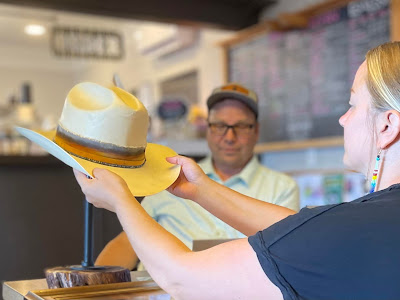

Dana in background; presumably Theresa in foreground